Five bases are five transfer decisions
For a first trip framed as Beijing–Zhangjiajie–Chengdu–Chongqing–Shanghai, do not divide the calendar by five and call the result sightseeing days. Mark each hotel checkout, station or airport journey, intercity leg and new check-in on the itinerary. Reserve a margin for disruption and identify the days on which you can actually see your main attraction. A Reddit first-timer planning a similar chain received conflicting suggestions: add Beijing time, remove Chongqing, or keep the bigger cities. Those are preferences, not a vote that determines your trip. [4]
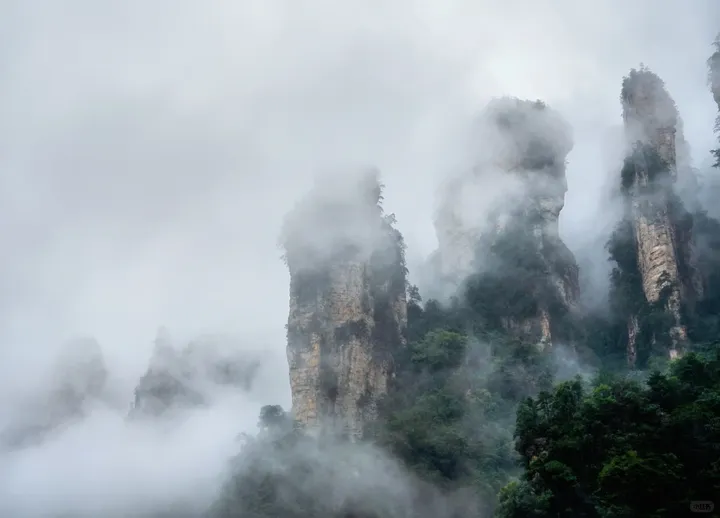
Start with one non-negotiable experience per place. Beijing is the imperial-history anchor if the Palace Museum or a Great Wall outing matters to you. Zhangjiajie is the natural-scenery anchor, but Wulingyuan's Zhangjiajie National Forest Park and Tianmen Mountain near the city are separate areas, not two names for one walk. Chengdu earns its place if seeing pandas and allowing time for the city are priorities. Shanghai can be an urban contrast rather than another tower photograph. Chongqing deserves time if its own city experience is a reason for this journey, not just because it falls on a map between other names. These are editorial distinctions, not an official five-city route. [1] [2] [3] [5]
Choose the cut by what it releases
Cut Chongqing if this itinerary already contains enough city time and you have no particular Chongqing goal. Then consider whether the released nights are more useful for Beijing's major sites or a less rushed mountain leg. Do not describe the city as interchangeable with Chengdu: the decision turns on your interests. If you keep it, use our neighborhood-base comparison and check the actual route into and out of the city before buying tickets.
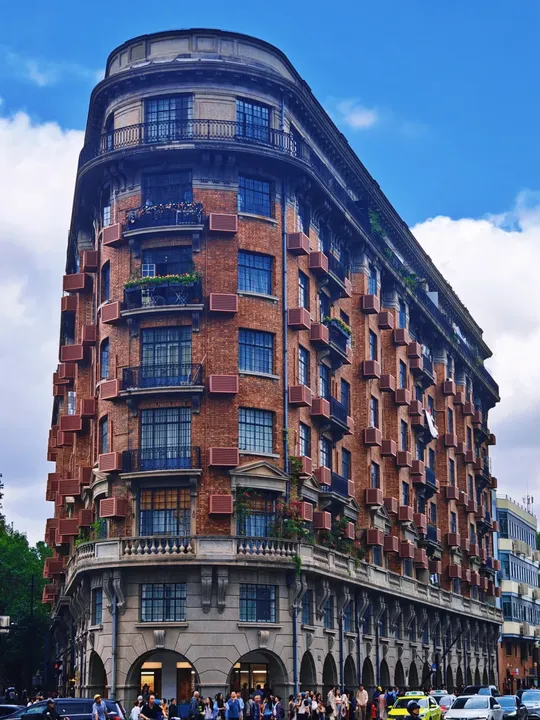
Shorten Shanghai rather than automatically deleting it if it is your departure city. A half-day around Wukang Road and Anfu Road is a different experience from an iconic Bund waterfront walk; choose one if that is all the schedule allows, not both at a sprint. If you would genuinely rather spend the released time in Beijing, do that. Do not allow a booked outbound flight to turn a short departure buffer into an exhausting same-day cross-country transfer. Compare the two Shanghai walks before deciding. [4]
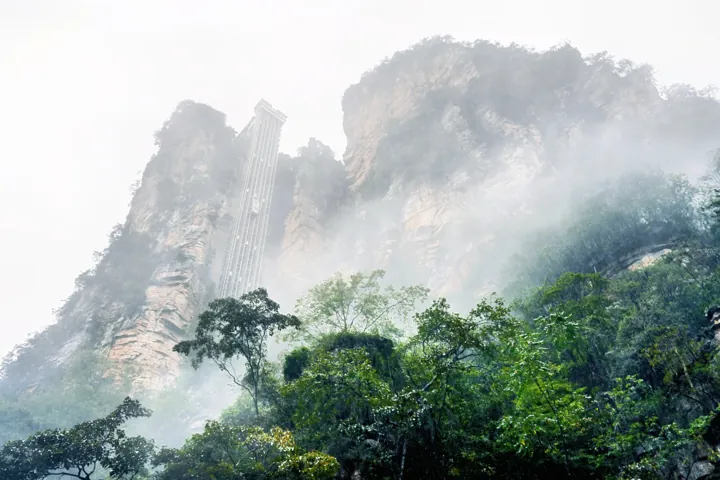
Cut Zhangjiajie if mountains are an optional photo stop rather than the point of the trip, especially when a single low-visibility day would disappoint you and there is no room for flexibility. Conversely, if scenery is the priority, preserve a distinct Wulingyuan day and decide separately whether Tianmen fits. A Xiaohongshu trip report illustrates that the forest-park routes and Tianmen can consume separate days; its historical bus prices, train times, luggage advice and access descriptions are not current operating rules. Check the named entrance, ticket category, transport and any cableway with their operators for your dates. [2] [3] [7]
Test a route before committing
For every retained city pair, look up the dated rail or flight options, the correct departure and arrival stations, and the transfers between terminal and hotel. Compare a long direct journey with a shorter-looking connection after adding terminal access, security, luggage and missed-connection risk. Do this before choosing the city order: a social comment about an allegedly convenient geographic sequence cannot establish a suitable service on your travel date. We have not verified reliable transport times for this full chain. Keep a quiet arrival evening rather than scheduling a ticketed highlight immediately after a long leg.
At Zhangjiajie, decide in advance which scenic area is the must-see and which is optional. If fog conceals a panorama, the mountain may still be atmospheric—as a visitor's mist photographs show—but do not promise a clear viewpoint. Use a flexible city or rest block where possible, and check live access rather than assuming that a particular cableway will run. If both the forecast and your available time make the mountain goal unlikely, reconsider that leg before locking nonrefundable transport. [8]
When Chengdu earns the third urban stay
The Chengdu Panda Base is a concrete reason to allocate a day, but its official service information matters more than an appealing panda photograph. The ticket page states that online real-name reservations are required and the original valid ID used for the reservation must be presented; reservations may be available up to 14 days ahead, subject to quota. Its opening-hours page distinguishes March–October from November–February and morning from afternoon entry. Check the current official page when you choose your date, reserve with the ID you will carry, and leave the remaining afternoon open rather than stacking another timed commitment on the same day. This is not a promise of animal activity or uncongested paths. [5] [6]
A workable itinerary is the shortest set of bases that delivers your own priorities with room to absorb a poor-visibility day or delayed transfer. Write the exact attraction, the booking dependency and the exit condition beside each retained stop. If a city has no answer except “we should probably see it,” it is the easiest place to reclaim time.
Sources and freshness
Desk research accessed 28 October 2026; public posts describe individual experiences, not verified operating rules. Current tickets, transport, weather and access must be checked with operators.
- [1] Beijing heritage overview
- [2] Zhangjiajie National Forest Park
- [3] Tianmen Mountain National Forest Park
- [4] Shanghai worth it? — traveller discussion, opinions differ
- [5] Chengdu Panda Base tickets
- [6] Chengdu Panda Base opening hours
- [7] 阿潇宝宝呀: Zhangjiajie itinerary and questions
- [8] 爱吃taco的奥斯卡先生: Zhangjiajie in rain